
Get Healthy!
- Posted June 3, 2026
GLP-1 Drugs Like Ozempic May Lower Breast Cancer Risk By About 30%
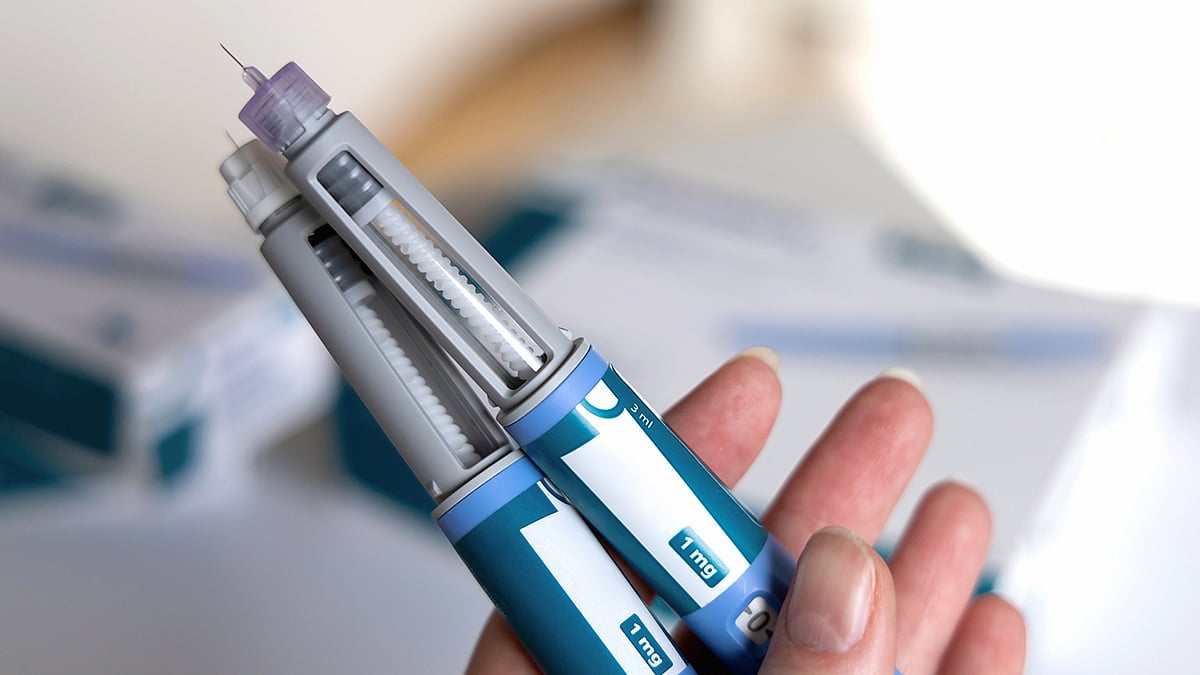
Taking Ozempic or Zepbound might lower a woman’s risk of breast cancer, a new study says.
Women with excess weight taking GLP-1 drugs were about 30% less likely to develop breast cancer than those not taking such medications, researchers reported June 2 in the journal JCO Oncology Practice.
“While our study was observational and does not definitively confirm an association between GLP-1 medications and reduced breast cancer incidence, it does add to the growing body of evidence suggesting that it’s worth investigating these weight-loss drugs as potential cancer prevention tools,” lead researcher Dr. Elizabeth McDonald said in a news release. She’s a professor of radiology at the University of Pennsylvania Perelman School of Medicine in Philadelphia.
Glucagon-like peptide-1 (GLP-1) drugs mimic the GLP-1 hormone, which helps control insulin and blood sugar levels, decreases appetite and slows digestion of food. Originally developed to treat type 2 diabetes, the drugs now are also widely used to lose weight.
For the new study, researchers analyzed health records of nearly 112,000 women ages 45 to 80 with a body mass index (BMI) of 25 or above, the threshold for overweight. BMI is an estimate of body fat based on height and weight. All the women had breast imaging at Penn Medicine between January 2022 and June 2025.
Of those women, nearly 14% had been prescribed a GLP-1 drug, researchers said.
Women on GLP-1 drugs had a roughly 35% lower risk of breast cancer when compared to the entire group, results showed.
To verify these results, researchers then matched each of the more than 15,000 women on a GLP-1 drug with another woman who had a similar background. In this comparison, those taking GLP-1 meds had nearly 31% lower odds of breast cancer.
There are a couple of ways GLP-1 drugs might reduce breast cancer risk, according to researchers:
Excess weight is a known risk factor for breast cancer, particularly after menopause. By helping women lose weight, the drugs might also lower their cancer risk.
GLP-1 drugs also are known to reduce inflammation, which might play a role in breast cancer development.
The meds might have other effects on metabolism and genetics that could inhibit the growth of cancer cells.
“Ultimately, we want to find better options to prevent breast cancer,” McDonald said. “It’s been encouraging to see the survival rates for breast cancer improve over recent decades, and we’d love to see the same gains in prevention.”
Researchers also presented their findings Tuesday at the American Society of Clinical Oncology’s annual meeting in Chicago.
More information
The American Cancer Society has more on GLP-1 drugs and cancer.
SOURCE: University of Pennsylvania School of Medicine, news release, June 2, 2026


